
General product and buying guidance. You can contact us before preparing a complete specification; the final grade and supply scope are discussed for your requirement.
Composition identifies a family, not the whole performance
Alumina or magnesia content helps classify a material. Mineral phases, impurity balance, raw materials and bonding also influence its behaviour. Request the selected grade’s chemical limits and the conditions used for any corrosion comparison. A product name or nominal purity is not a complete lining specification.
Separate temperature-related measurements
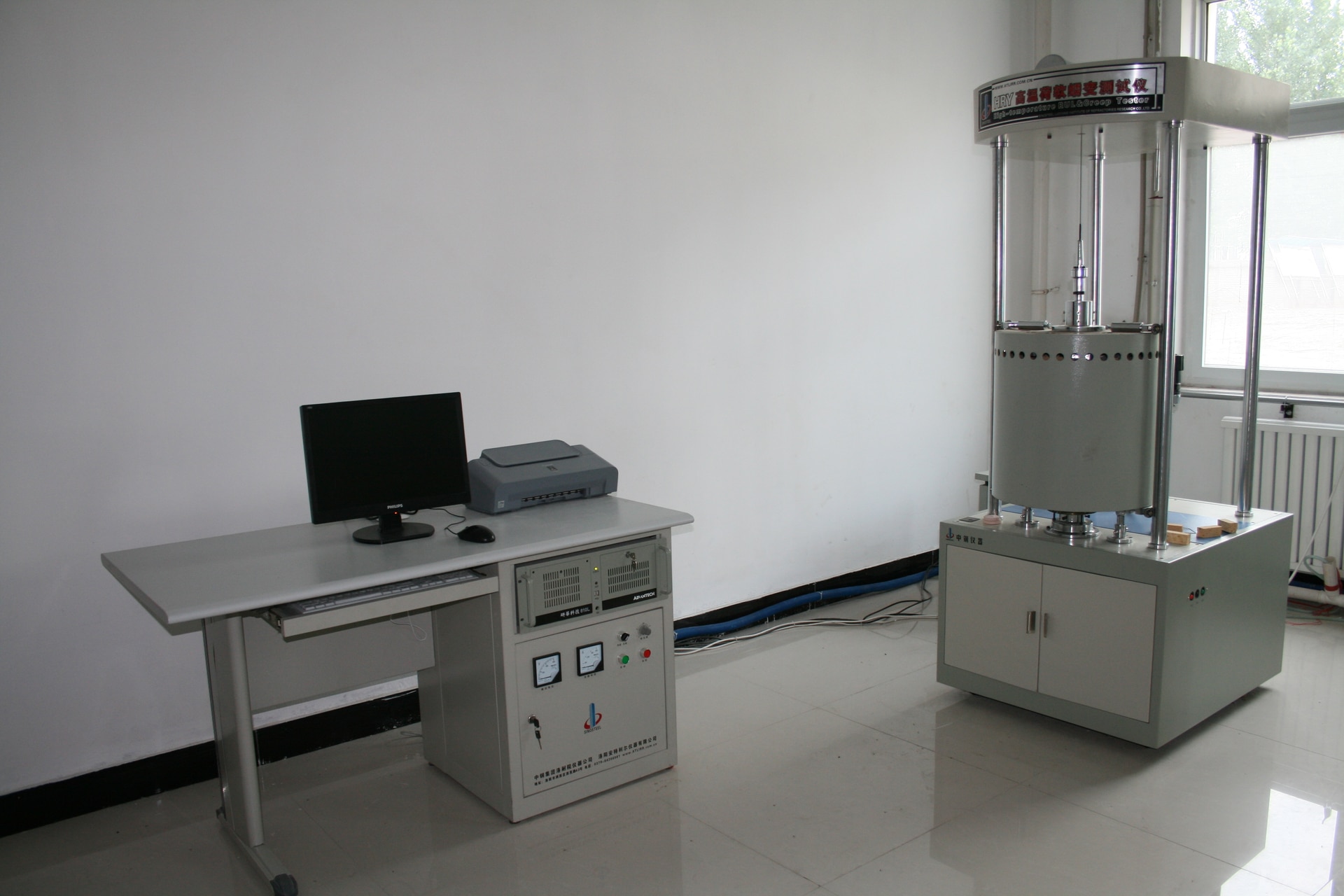
Refractoriness, refractoriness under load (RUL), classification temperature and continuous-use guidance describe different things. For RUL, agree the applied load, deformation endpoint and test method. A value measured at 0.2 MPa should not be read as an unrestricted operating-temperature rating.
Compare physical properties on the same basis
Specify bulk density in g/cm³ or kg/m³, apparent porosity in percent and cold crushing strength in MPa. For castables, also specify whether the sample was dried or fired and at which temperature and holding time. A cold-strength result alone does not establish hot strength or erosion resistance.
Keep thermal test conditions attached to the result
Permanent linear change requires the firing temperature and holding time. Thermal-shock results require the heating temperature, cooling medium and failure criterion. Thermal conductivity must include the mean test temperature and specimen condition. Compare values only when their methods and conditions are compatible.
Use the approved grade sheet for procurement
Keep catalogue references separate from the approved supply specification and batch inspection documents. Agree the grade, revision, sampling, test methods, tolerances and acceptance limits in the purchase documents. Where source versions disagree, resolve the discrepancy before approval rather than selecting the more attractive number.