Skip to content

ENGINEERING · PROCUREMENT · CONSTRUCTION

Refractory Material Supply, Engineering & EPC

Start with a material purchase or discuss lining design, installation and a refractory EPC package. The relevant group teams support the scope agreed for your project.

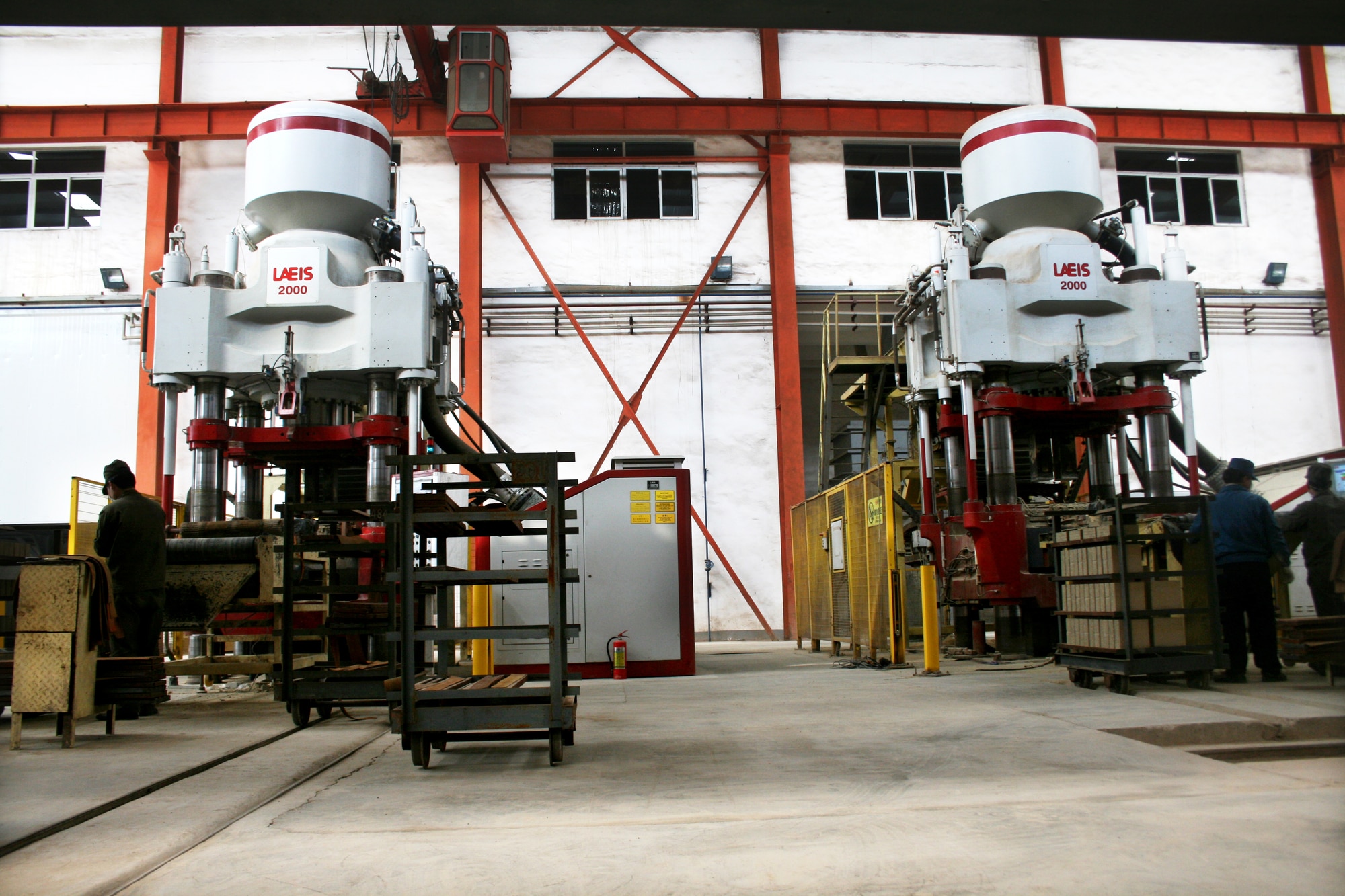
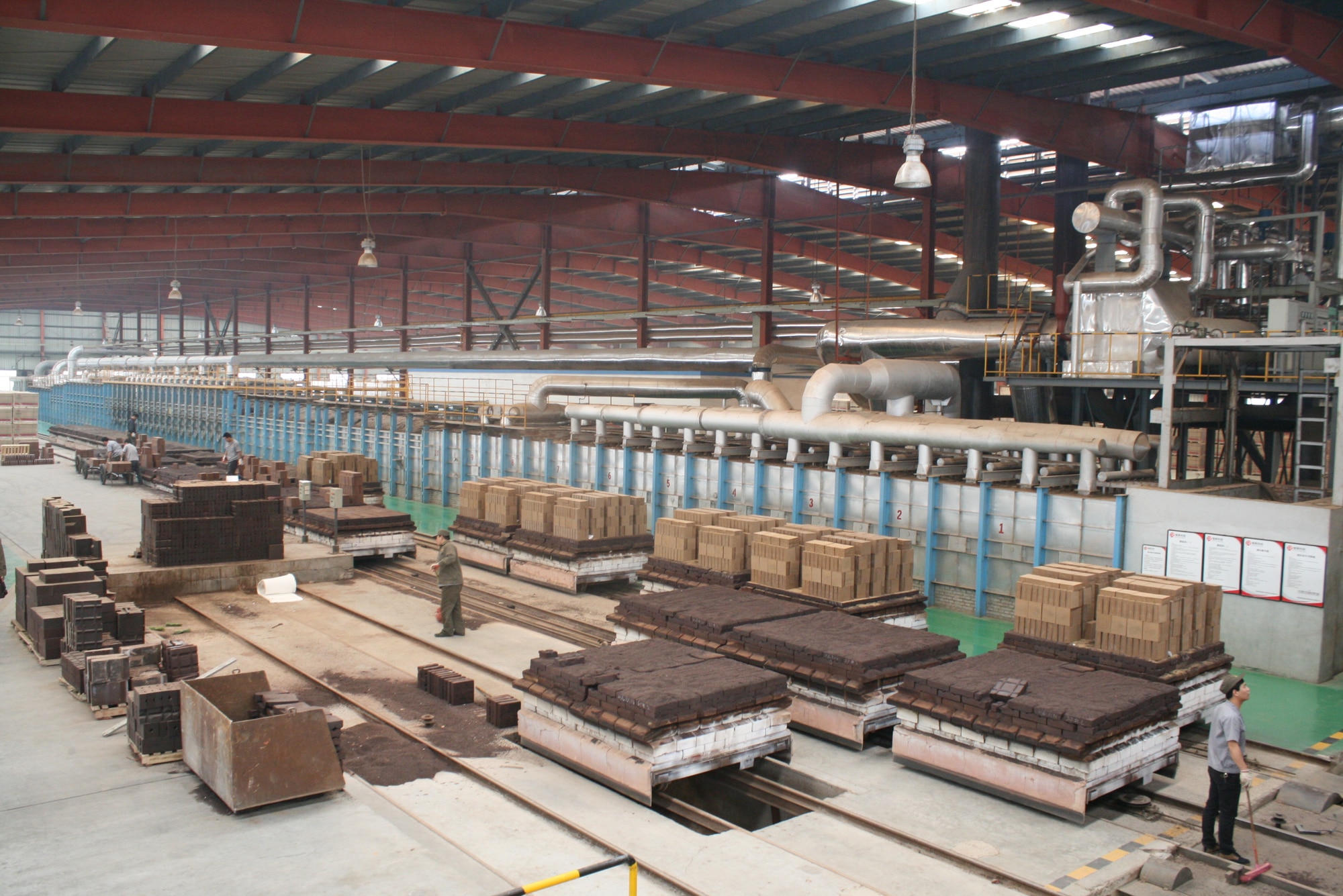
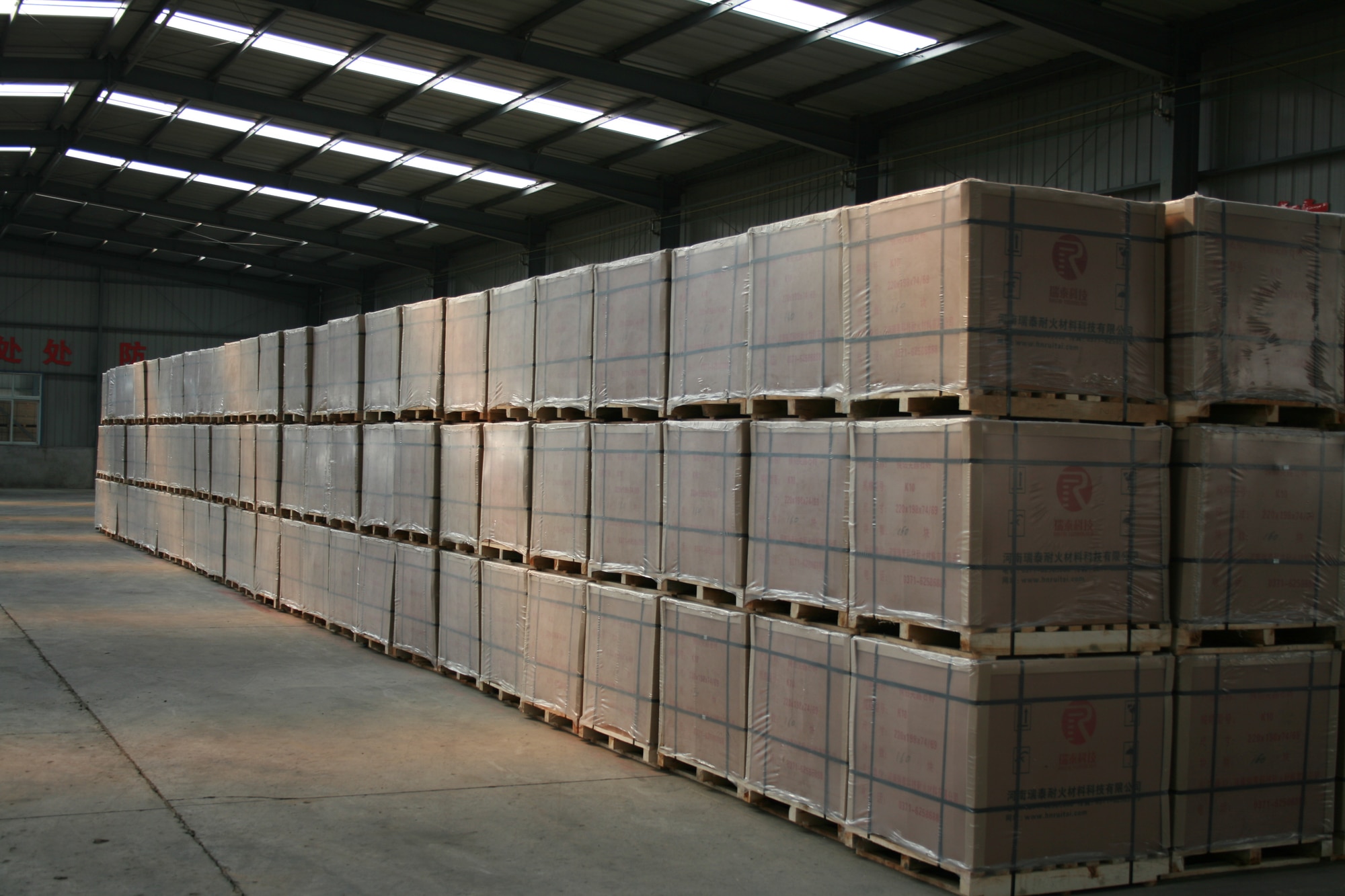
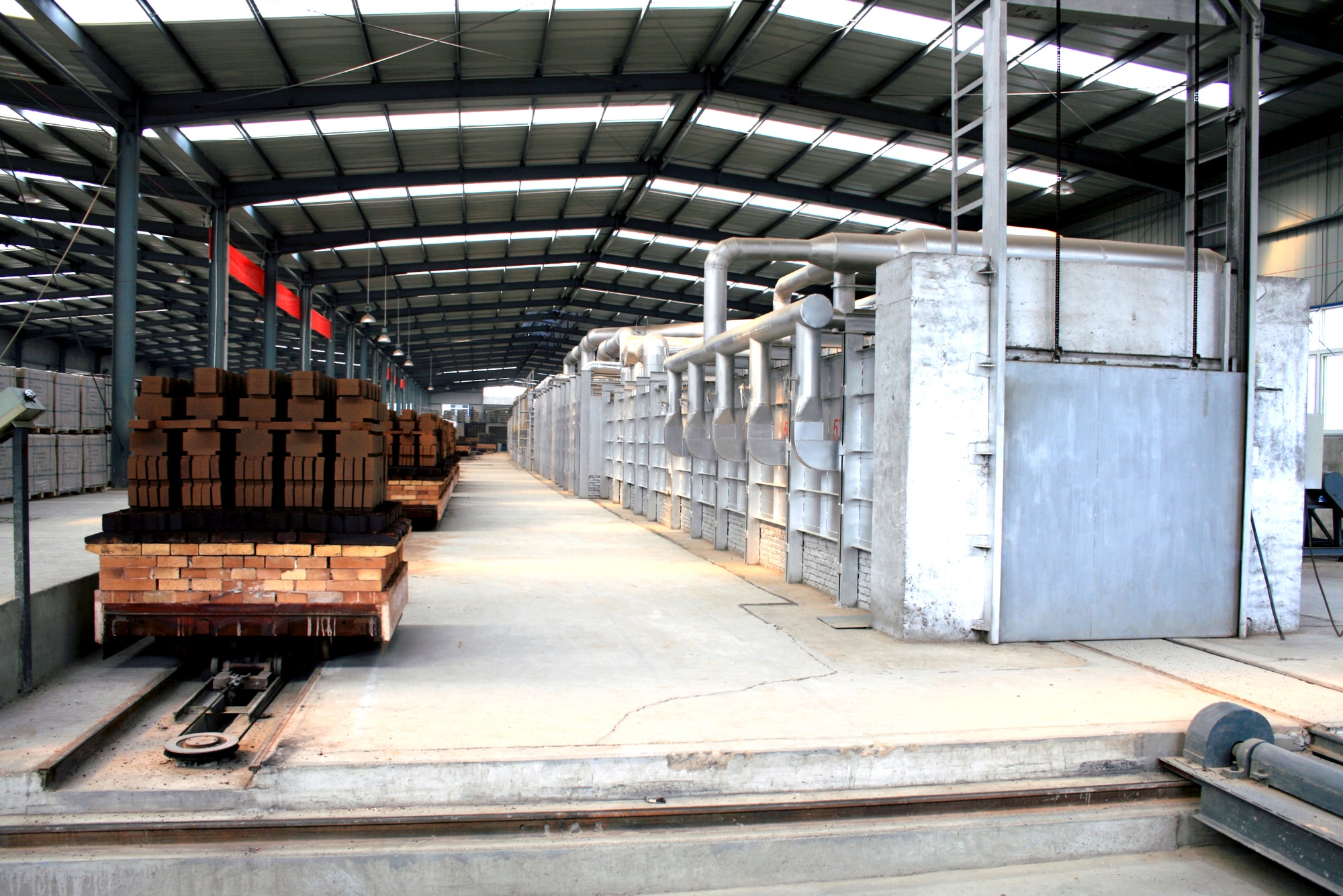
Tunnel kiln and refractory brick production
The proposal identifies the responsible group company, local delivery arrangements, battery limits and acceptance criteria. Whole-plant EPC requires a separate scope.

ENGINEERING · PROCUREMENT · CONSTRUCTION

From material supply to refractory engineering.

S1

Assess & diagnose

Condition review, missing-data list and project priorities.

S2

Engineer the lining

Proposed lining layout, material specification, quantity schedule and interface list.

S3

Procure & manufacture

Material schedule, agreed inspection records, packing list and identified supply batches.

S4

Install & supervise

Installation method, inspection checkpoints, progress records and completion punch list.

S5

Dry out & commission

Material-specific dry-out plan, temperature records and handover documentation.

S6

Maintain & improve

Inspection findings, repair priorities, spare-material recommendations and next-campaign actions.

Material supplyEngineering + supply + supervisionDefined EPC package

CHOOSE THE RIGHT CONTRACT SCOPE

Measure the operating basis, then improve the lining.

S1

Assess & diagnose

Condition review, missing-data list and project priorities.

Scope & starting data

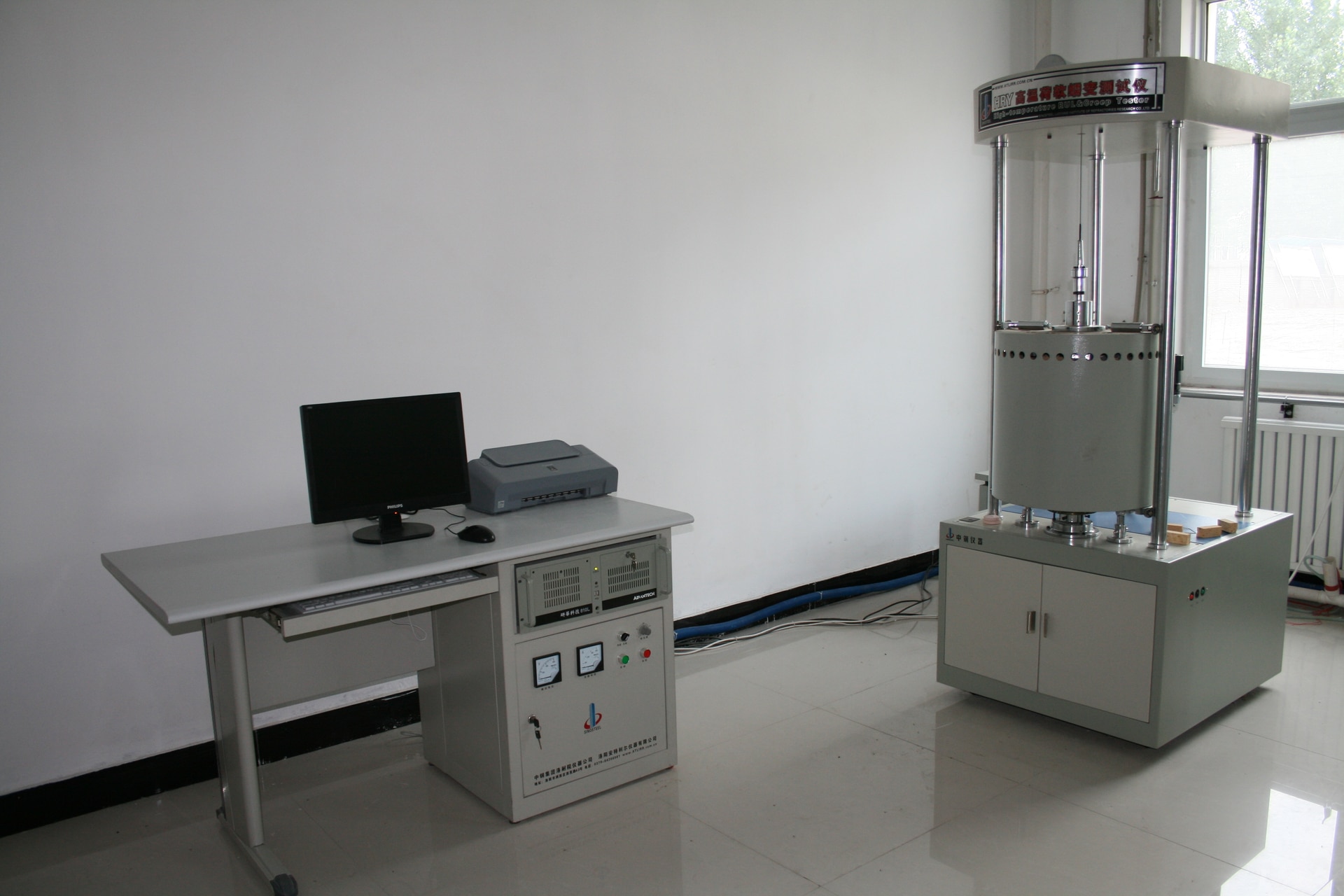
Review the furnace, lining drawings, operating history and failure pattern. Separate chemical corrosion, abrasion, thermal cycling and mechanical damage before proposing a replacement.

Start with: Operating temperatures, fuel and feed chemistry, photographs, wear records and shutdown date.
S2

Engineer the lining

Proposed lining layout, material specification, quantity schedule and interface list.

Scope & starting data

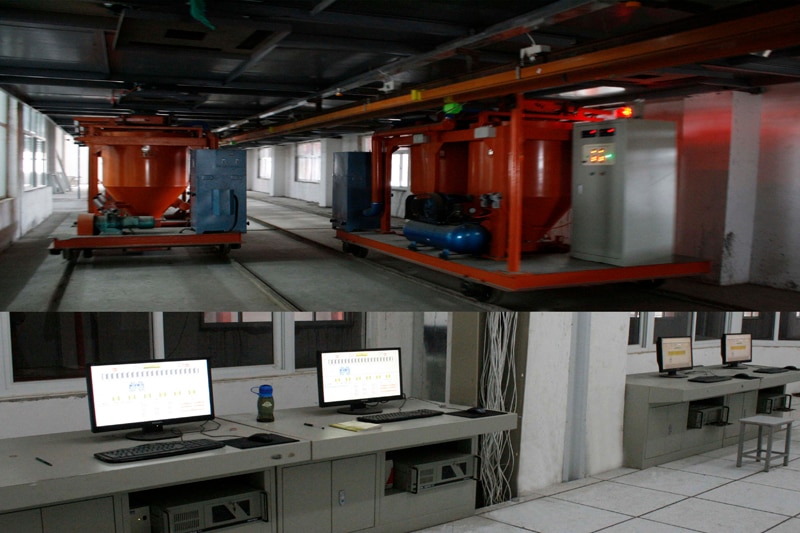
Develop the material zoning, working and insulation layers, brick or castable arrangement, joints and anchor interfaces. Assess heat loss and installation access together.

Start with: Equipment drawings, shell condition, loads, access restrictions and acceptance requirements.

S3

Procure & manufacture

Material schedule, agreed inspection records, packing list and identified supply batches.

Scope & starting data

Coordinate approved grades, shaped products, monolithics and associated lining components. Agree the inspection plan and documentation before manufacture or procurement.

Start with: Approved drawings and specifications, quantities, destination and delivery milestones.

S4

Install & supervise

Installation method, inspection checkpoints, progress records and completion punch list.

Scope & starting data

Plan demolition interfaces, preparation, bricklaying, casting and assembly within the contracted scope. Coordinate installation personnel, local contractors and plant interfaces.

Start with: Site access, permits, utilities, lifting equipment and a coordinated shutdown schedule.

S5

Dry out & commission

Material-specific dry-out plan, temperature records and handover documentation.

Scope & starting data

Coordinate curing and dry-out requirements for the selected lining, review readiness and support the agreed startup sequence with the plant operating team.

Start with: Burner and ventilation arrangement, monitoring points, operating personnel and startup plan.

S6

Maintain & improve

Inspection findings, repair priorities, spare-material recommendations and next-campaign actions.

Scope & starting data

Review lining condition and campaign data, plan targeted repairs and use inspection findings to refine the next outage or lining design.

Start with: Production data, shell-temperature trends, maintenance records and access for inspection.

CHOOSE THE RIGHT CONTRACT SCOPE

Choose the support your project needs.

01

Material supply

An agreed bill of materials, grade specifications and delivery documentation. Suitable when your engineering team owns the lining design and installation.

Scope boundary

Customer or appointed contractor manages site installation and operation.

02

Engineering + supply + supervision

A coordinated lining design and supply package with agreed technical support during installation and startup.

Scope boundary

Local construction resources, equipment and supervision responsibilities are defined before mobilisation.

03

Defined EPC package

Engineering, procurement and construction for an agreed refractory or thermal-system package, with commissioning support and lifecycle services where included.

Scope boundary

Battery limits, contracting entities, local qualifications and performance acceptance are set in the proposal. Whole-plant EPC is a separate scope.

The proposal identifies the responsible group company, local delivery arrangements, battery limits and acceptance criteria. Whole-plant EPC requires a separate scope.

CAMPAIGN PERFORMANCE

Measure the operating basis, then improve the lining.

A measurable thermal baseline

Record production rate, fuel conditions, shell temperatures and lining configuration before assessing an energy-saving upgrade. Compare the same operating basis after commissioning.

Clear plant interfaces

Define responsibility for shell repairs, steelwork, mechanical and electrical systems, scaffolding, lifting, utilities and waste handling. Include these interfaces in the schedule.

Lifecycle cost, not unit price alone

Compare material, installation, downtime, repair frequency and heat loss over the intended campaign. Targets are project-specific and agreed with the customer.

Open the EPC scope checklist →