
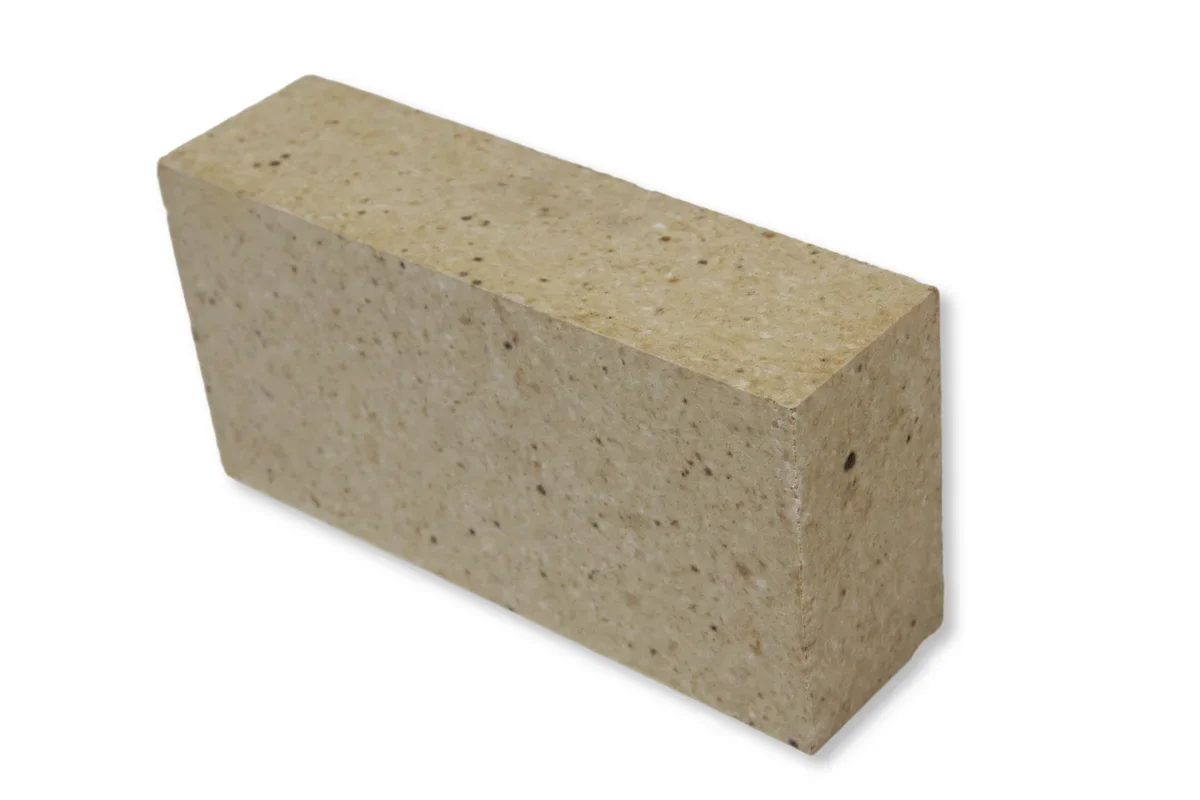
High-alumina brick — 75 grade
Aluminosilicate bricks
Furnace walls and arches; hot-blast and high-temperature equipment, subject to zone design.
- Al₂O₃ (%)
- ≥75
- Refractoriness (°C)
- ≥1790
- RUL at 0.2 MPa (°C)
- ≥1520
Catalogue reference values
Material families
Compare high-alumina, silicon mullite, alkali-resistant and anti-spalling bricks for kiln and furnace lining enquiries. Start with the equipment and lining position; composition alone does not determine the right brick.
Aluminosilicate bricks
Furnace walls and arches; hot-blast and high-temperature equipment, subject to zone design.
Catalogue reference values
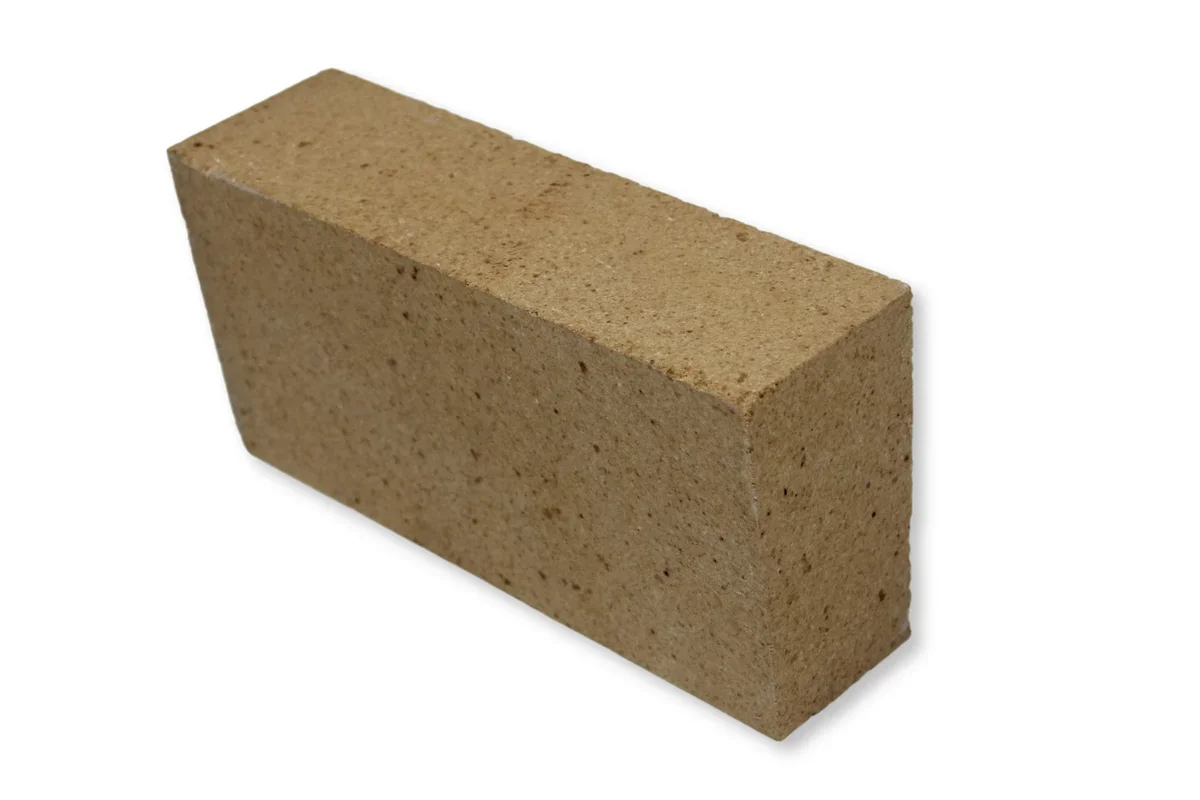
Aluminosilicate bricks
Industrial furnace walls, arches and selected kiln sections.
Catalogue reference values
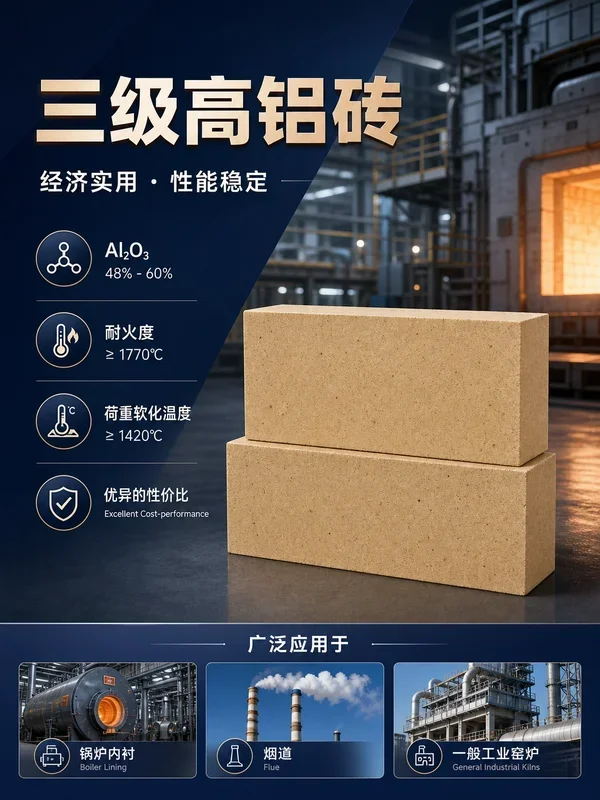
Aluminosilicate bricks
General kiln linings and secondary thermal-equipment zones.
Tell us your application to discuss product options.
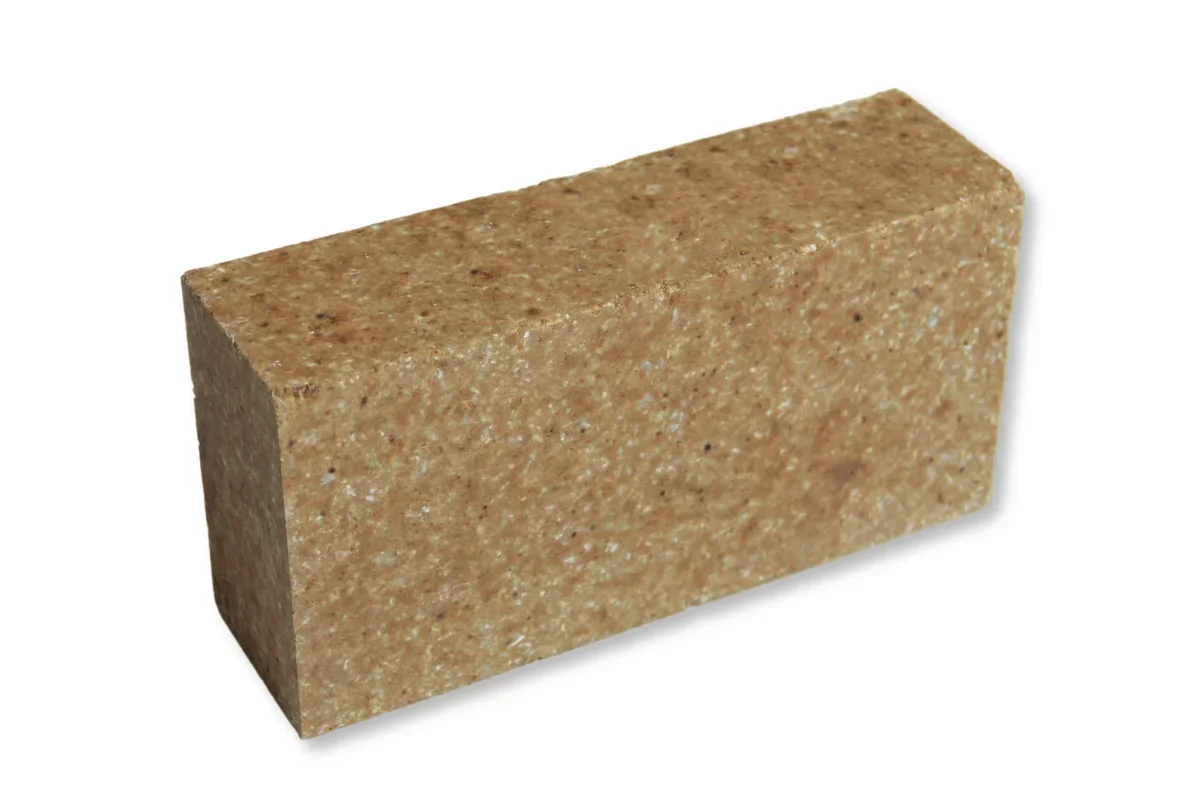
Aluminosilicate bricks
Cement-kiln transition zones; kiln hood, cooler and duct positions where the proposed shape and lining design are suitable.
Catalogue reference values
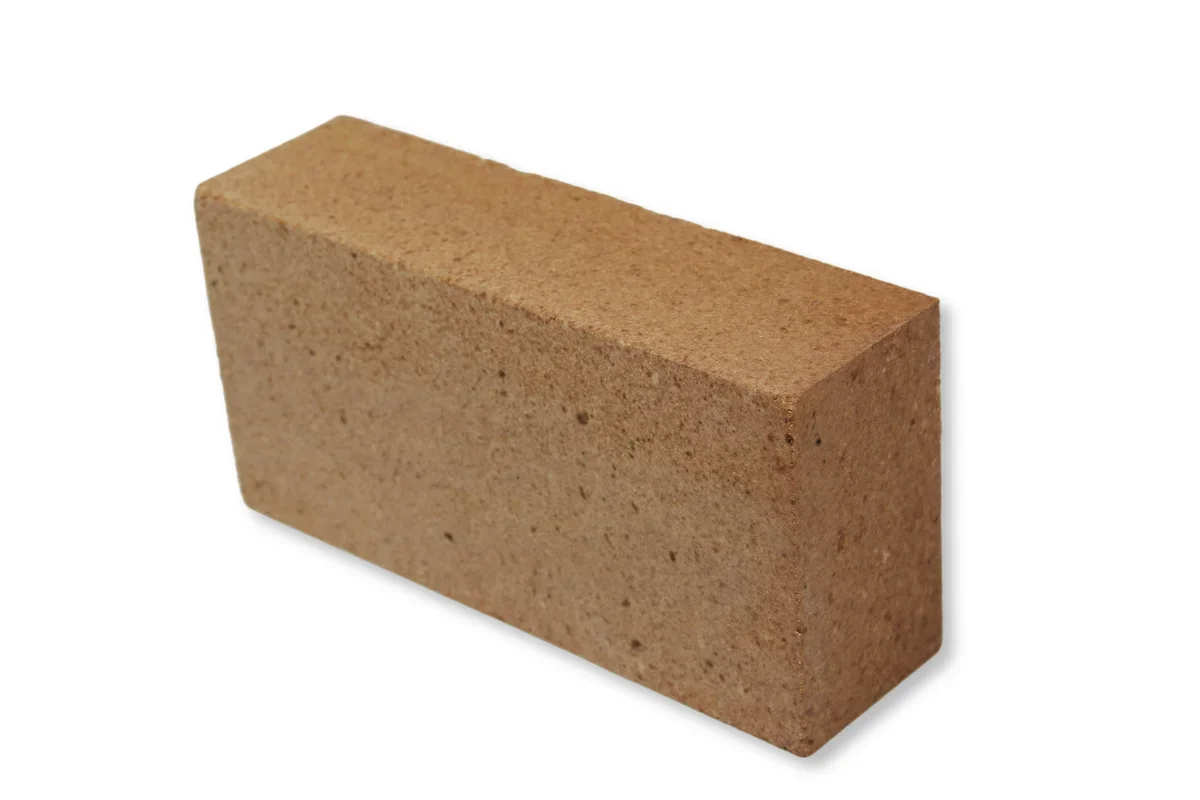
Aluminosilicate bricks
Cement preheaters, calciners and kiln-inlet systems, subject to operating conditions.
Catalogue reference values
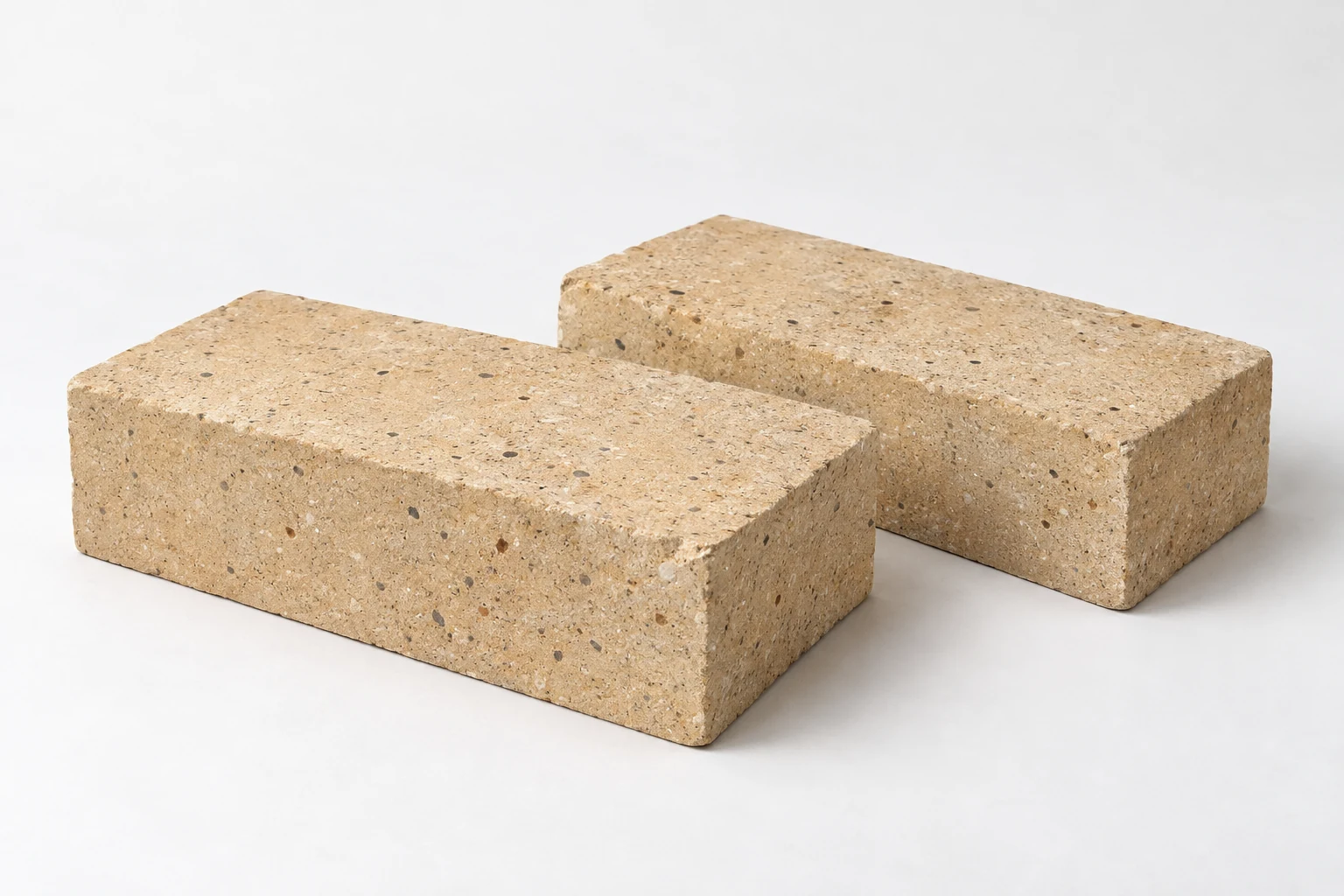 Product illustration
Aluminosilicate bricks
Cement kiln inlet and transition positions after zone review.
Tell us your application to discuss product options.
01
High-alumina grades provide different starting points for furnace walls, arches and other thermal-equipment zones. Silicon mullite, alkali-resistant and anti-spalling entries address different application discussions. A shared family name does not make the products interchangeable.
02
Review the existing wear pattern, thermal cycling, chemical exposure and mechanical loading. Where catalogue tables are available, compare the stated test conditions as well as the values. A grade designation is not a guaranteed continuous operating temperature.
03
Send the current brick name, a photo or drawing, approximate quantity and destination. If the present lining fails early, describe where and how it wears. Our team can coordinate a more detailed grade and shape discussion as the requirement becomes clear.
Understand composition, porosity, strength and thermal properties before comparing grades.
A starting overview of shaped materials, castables and insulation for cement-kiln discussions.
The main product and delivery details that help move an enquiry towards a quotation.
A product name, equipment position or photo is enough to begin. Share your destination country and reply contact; drawings and detailed specifications can follow.
Discuss your requirementApplication focus
Explore bricks and castables for cement kiln lining and repairs. Compare application zones, prepare a focused enquiry and discuss material or project supply.
Explore high-alumina bricks, castables, repair mixes and fibre insulation for steel reheating and hot-blast equipment. Discuss the lining zone and maintenance scope.