
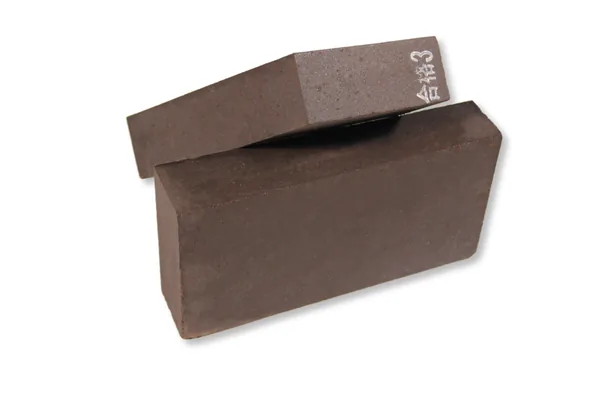
Corundum & chrome-bearing composites
Specialty corrosion-resistant bricks
Selected smelting and chemical-process furnace zones.
Tell us your application to discuss product options.
Application focus
Process furnaces, combustion chambers and hot-gas ducts bring together lining materials, geometry and installation interfaces. Start with the unit and damaged or planned section, then connect the hot-face material, backup layer and support arrangement for review.
Process furnaces & hot-gas ducts
Send the process-unit name, the section or component and a photo or drawing when available. Tell us the destination and whether you need material supply, an engineered component or a broader lining discussion.
Describe the process gas or chemical contact, normal and upset conditions, pressure and local wear. Corundum composite or castable options need a selected formulation and a defined exposure basis. A general chemical-industry classification does not establish compatibility with every process stream.
Precast shapes and castable linings may be discussed where geometry, access or replaceable parts drive the requirement. Share the component or duct drawing, joints, anchors and installation restrictions. Coordinate part dimensions with the supporting structure and adjacent lining.
For insulation boards, identify the full lining build-up and the temperature at each interface when available. If engineering or EPC support is requested, define the refractory scope, shell or steelwork interfaces, local installation resources and handover responsibilities.
These are starting points for a selected position. Confirm the grade, exposure and installation requirements for your job.
Specialty corrosion-resistant bricks
Selected smelting and chemical-process furnace zones.
Tell us your application to discuss product options.
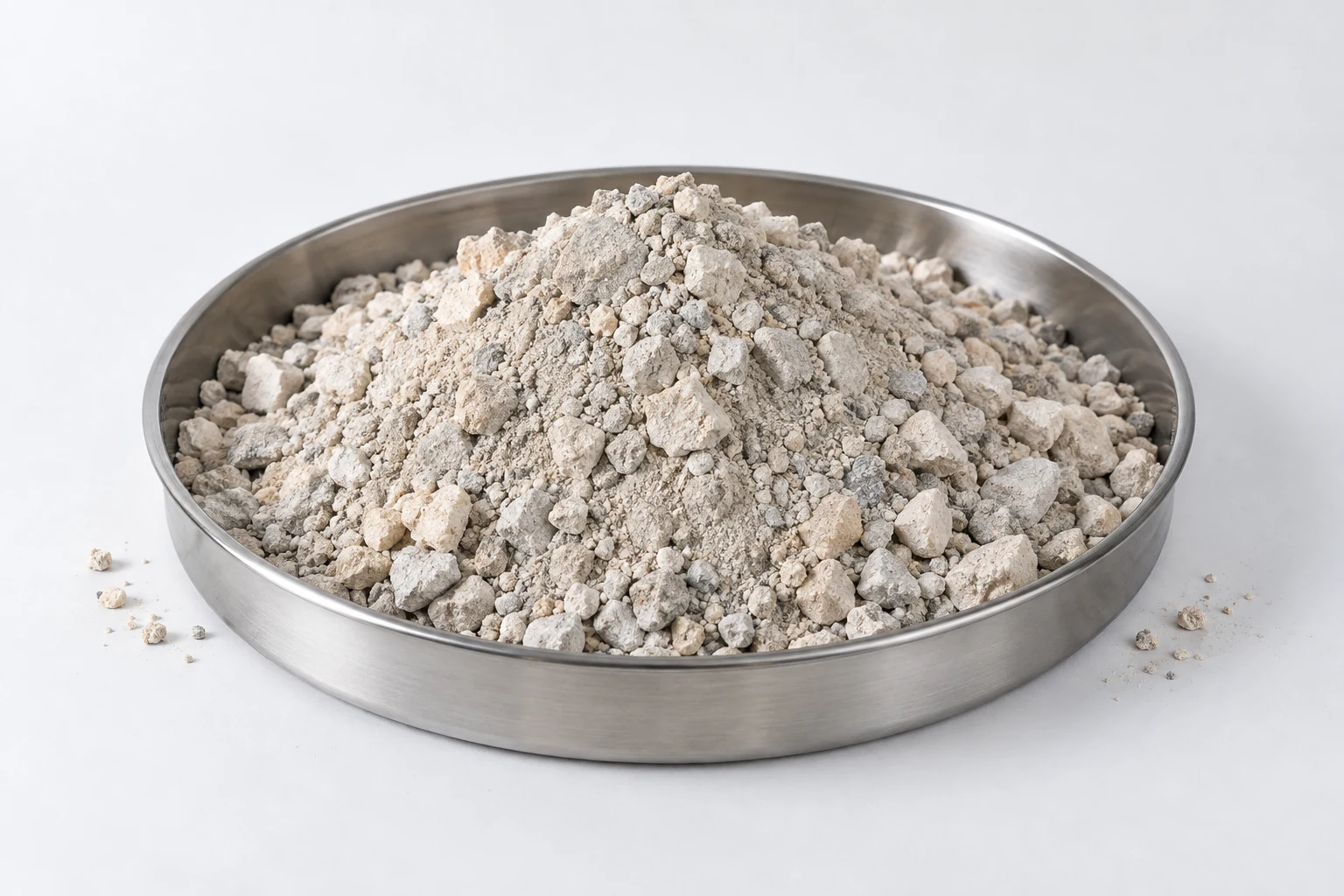 Product illustration
Monolithics & jointing materials
Kiln hoods, coolers, ducts, furnace linings and local repairs.
Tell us your application to discuss product options.
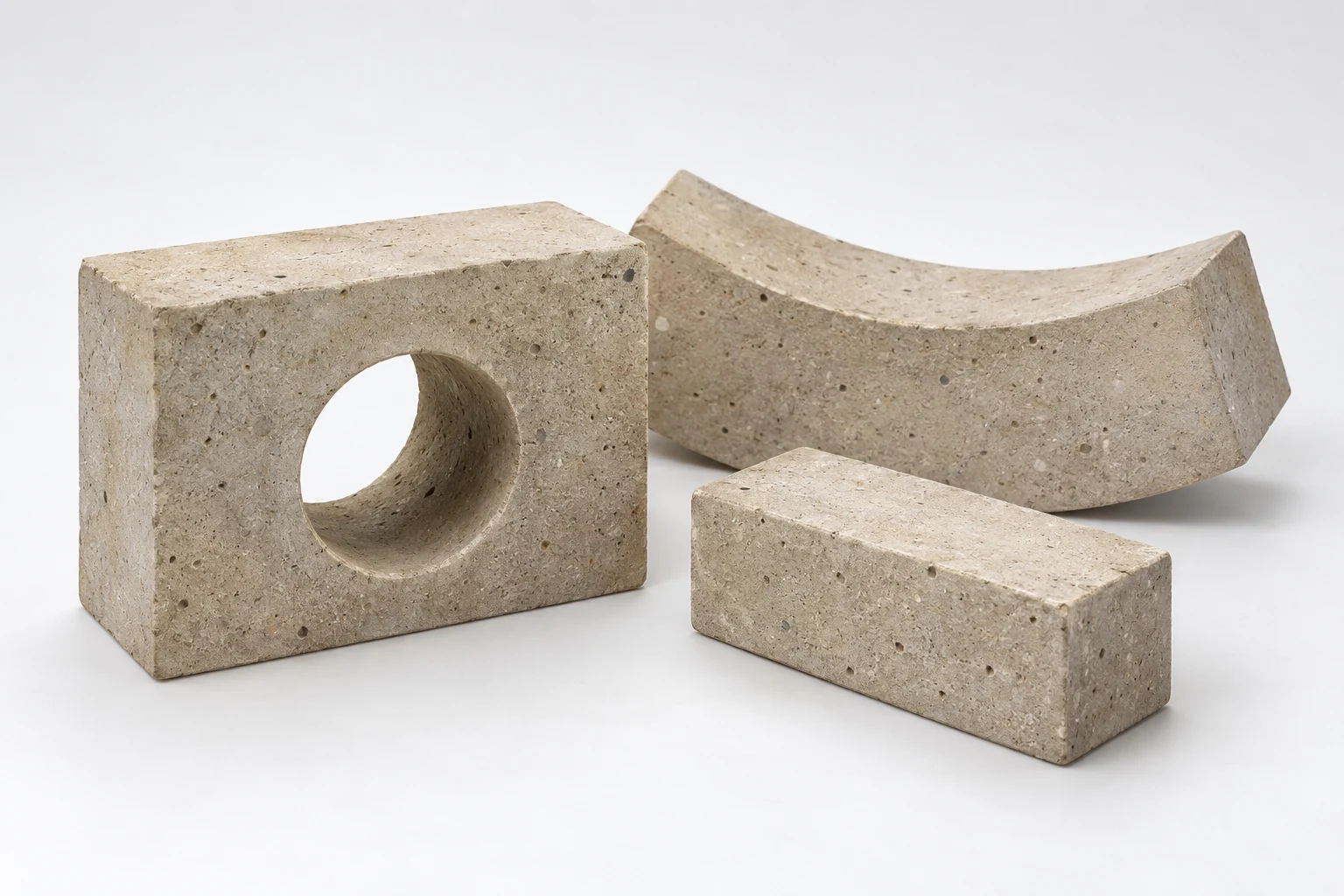 Product illustration
Precast & modular systems
Complex lining sections, wear components and replaceable assemblies.
Tell us your application to discuss product options.
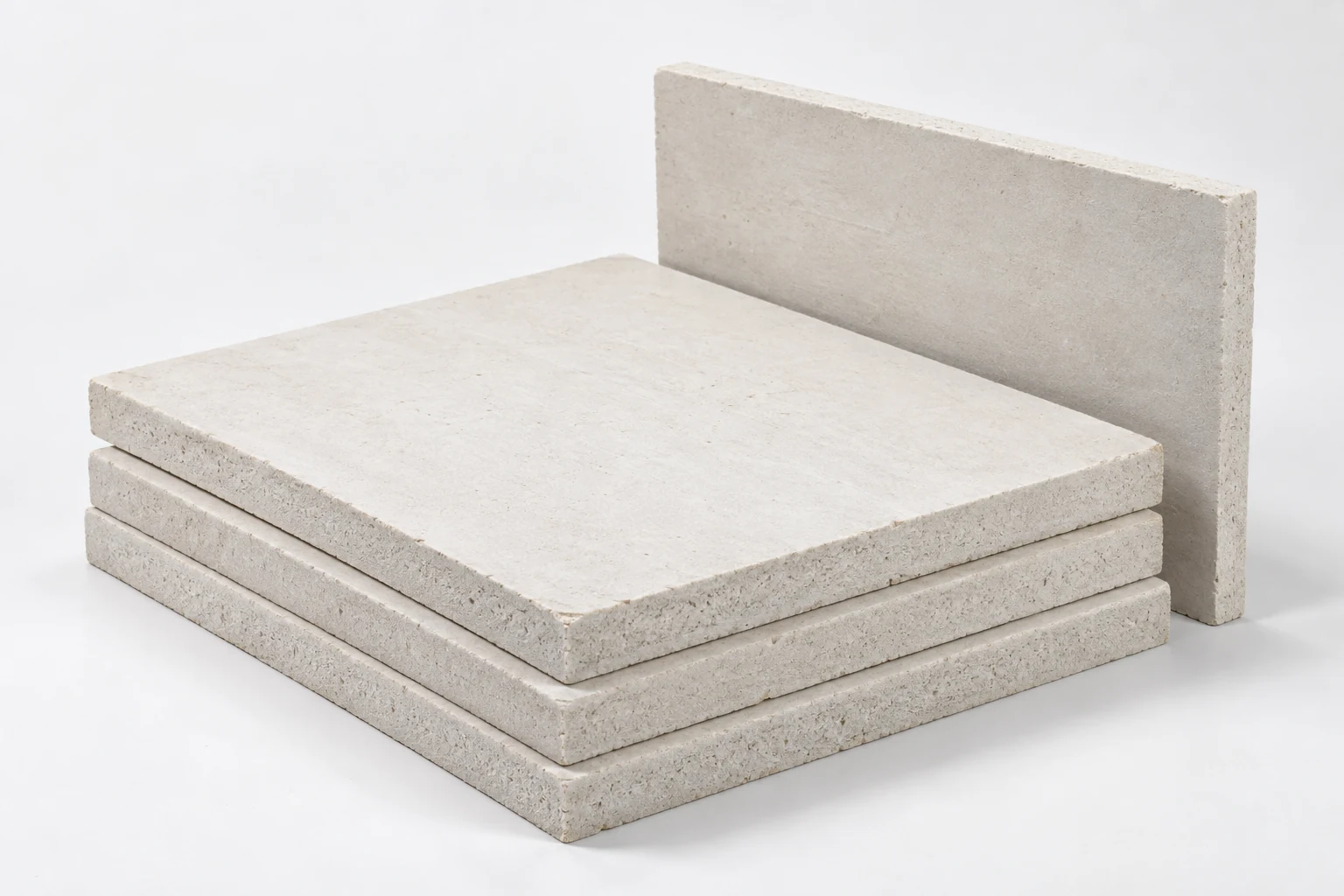 Product illustration
Insulation materials
Backup layers in furnace walls, shells and engineered assemblies.
Tell us your application to discuss product options.
Share what you have. Complete drawings and technical details are not required to start.
Yes. Identify the section, part or repair area you need. Materials, drawing-based components and a wider lining package can be discussed with different scopes.
A refractory package needs defined boundaries. Whole-plant equipment, mechanical and electrical systems, shell repairs and local construction resources are separate interfaces unless expressly included in the agreed scope.
Start with the current lining build-up and operating basis. Any proposed thermal or energy target needs a project-specific baseline and acceptance method; a material label alone cannot establish the saving.
Turn engineering, procurement and construction into a clear lining package with deliverables and interfaces.
Connect original lining design and installation support with commissioning, maintenance and replacement planning.
What to include when starting a conversation about products or cooperation.
Send the process-unit name, the section or component and a photo or drawing when available. Tell us the destination and whether you need material supply, an engineered component or a broader lining discussion.